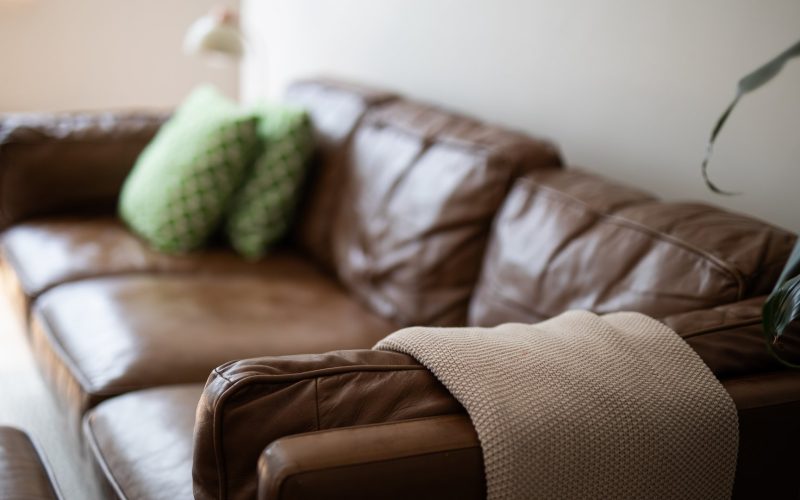
Leather furniture is an investment in comfort and style that can last for decades with proper care. While professional cleaning is essential annually, what you do between those cleanings makes all the difference. This comprehensive guide will help you keep your leather furniture looking luxurious year-round.
Understanding Your Leather
Not all leather is created equal, and knowing your type determines your care approach:
Aniline Leather
- Most natural, soft, and expensive
- No protective coating
- Absorbs liquids quickly
- Requires gentle, frequent care
Semi-Aniline Leather
- Light protective coating
- Good balance of softness and durability
- More stain-resistant than aniline
- Most common in quality furniture
Pigmented/Protected Leather
- Heavy protective coating
- Most durable and stain-resistant
- Easiest to maintain
- Common in families with children/pets
Weekly Maintenance Routine
Consistency is key to leather longevity. Here’s your weekly checklist:
1. Dust Removal (2 minutes)
Use a microfiber cloth or vacuum with soft brush attachment. Pay attention to:
- Creases and folds where dust accumulates
- Between cushions
- Behind and under cushions
- Arms and headrests
2. Quick Wipe Down (3 minutes)
Slightly damp cloth with distilled water for:
- High-touch areas (arms, headrests)
- Any visible spots or spills
- General surface refresh
3. Cushion Rotation (1 minute)
Flip and rotate cushions to ensure even wear and prevent permanent indentations.
Monthly Deep Maintenance
The 4-Step Process:
- Thorough Vacuum: Remove all cushions, vacuum frame and crevices
- Gentle Cleaning: Mix solution of 1 part mild soap to 8 parts distilled water
- Careful Application: Wring cloth until barely damp, wipe entire surface
- Complete Drying: Buff with dry microfiber cloth immediately
Conditioning (Every 3-6 Months)
Leather needs moisture to prevent cracking:
- Choose pH-balanced leather conditioner
- Test in inconspicuous area first
- Apply thin, even coats
- Allow absorption for 15-20 minutes
- Buff excess with clean cloth
Immediate Spill Response
Quick action prevents permanent damage:
For Liquid Spills:
- Blot (never rub) immediately with clean cloth
- Continue blotting until no transfer
- Let air dry naturally
- Condition area if it feels dry after
For Food/Grease:
- Remove solids with soft spatula
- Sprinkle cornstarch or talcum powder
- Leave overnight to absorb oils
- Vacuum powder away
- Clean with appropriate leather cleaner
For Ink/Dye:
- DON’T attempt DIY removal
- Blot excess if wet
- Call professional immediately
- Ink can permanently damage if treated incorrectly
Seasonal Care Considerations
Summer Care:
- Keep out of direct sunlight (UV causes fading/cracking)
- Maintain humidity levels (40-60%)
- Increase conditioning frequency
- Use window treatments during peak sun hours
Winter Care:
- Keep away from heating vents
- Combat dry air with humidifier
- Condition more frequently
- Watch for salt stains from winter clothing
Common Mistakes to Avoid
Never Use:
- Baby wipes – Contain chemicals that damage leather
- Harsh cleaners – Ammonia, bleach, or alcohol-based products
- Furniture polish – Creates buildup and can discolor
- Colored cloths – Dye transfer risk when damp
- Excessive water – Causes staining and warping
Don’t:
- Place in direct sunlight
- Use hair dryers or heaters to speed drying
- Allow pets with untrimmed nails on furniture
- Wear sharp objects that could scratch
- Let newspapers or magazines sit on leather (ink transfer)
DIY Leather Care Recipes
Homemade Leather Cleaner:
- 1 part white vinegar
- 2 parts linseed oil
- Mix in spray bottle
- Shake before each use
- Apply with microfiber cloth
Natural Conditioner:
- 1 part beeswax (melted)
- 3 parts coconut oil
- Mix while warm
- Allow to solidify
- Apply sparingly with cloth
Dealing with Specific Issues
Scratches:
Light scratches: Rub with finger in circular motion (natural oils help)
Medium scratches: Apply leather conditioner, work in with cloth
Deep scratches: Professional repair recommended
Fading:
- Rearrange room to avoid direct sun
- Use leather recoloring balm
- Apply UV protectant products
- Consider professional restoration
Cracking:
- Increase conditioning frequency
- Check humidity levels
- Apply leather filler for small cracks
- Seek professional help for extensive damage
Pet-Friendly Leather Care
Pets and leather can coexist with proper precautions:
Prevention:
- Trim pet nails regularly
- Use throws or blankets in pet areas
- Apply pet-safe leather protector
- Train pets to use designated furniture
Damage Control:
- Address scratches immediately
- Clean accidents promptly
- Increase conditioning in pet areas
- Consider professional pet-damage repair
When to Call Professionals
Some situations require expert intervention:
- Annual deep cleaning and conditioning
- Stubborn stains or odors
- Color restoration needs
- Structural repairs (tears, burns)
- Warranty-covered maintenance
- Before selling home (restoration)
Investment Protection
Your leather furniture care routine protects your investment:
Financial Benefits:
- Extends furniture life by 10+ years
- Maintains resale value
- Prevents costly repairs
- Reduces replacement frequency
Lifestyle Benefits:
- Always guest-ready appearance
- Improved comfort and feel
- Healthier indoor environment
- Pride in home appearance
Creating Your Care Schedule
Daily: Quick visual inspection, immediate spill response
Weekly: Dusting and light cleaning
Monthly: Thorough cleaning, cushion rotation
Quarterly: Deep clean and condition
Annually: Professional cleaning and restoration
Red Flags: When Leather Needs Help
Watch for these warning signs:
- Stiffness or dryness to touch
- Visible cracking or peeling
- Color fading or uneven patches
- Persistent odors
- Sticky or tacky feeling
- Water no longer beads on surface
The Professional Touch
While home maintenance is crucial, professional cleaning provides:
- Deep pore cleaning
- Professional-grade conditioning
- Color restoration
- Protective coating application
- Expert damage assessment
- Warranty preservation
Your Leather Care Action Plan
- Identify your leather type
- Establish weekly routine
- Stock proper supplies
- Create care calendar reminders
- Schedule annual professional service
Beautiful leather furniture is a joy to own and use. With these maintenance tips, your leather will age gracefully, developing that coveted patina while remaining supple and comfortable for years to come.
Need professional leather cleaning or restoration? Sasquatch Carpet Cleaning specializes in leather furniture care. Call us at 719-249-8791 to schedule your annual professional cleaning and keep your leather looking its absolute best!
Pro Tip: Take photos of your leather furniture every few months. You’ll be amazed at how well your maintenance routine is working when you see the consistency in appearance!



Leave a Comment